

Silver Contact NewsNews
Bimetal Rivets Ultimate Guide 2026: Materials, Manufacturing, Applications & Selection
Chende Factory – Custom Bimetal Rivets & Free Samples
January 2026 | 50 min read | Chende Electrical Contact R&D Center
Why Bimetal Rivets Are the Go-To Choice for Electrical Contacts in 2026 – A Factory Perspective
As a manufacturer of bimetal rivets here at Chende, we've seen firsthand how these little components keep electrical systems running smoothly. Bimetal rivets are composite fasteners with a silver alloy head riveted to a copper base, designed to balance high conductivity and mechanical strength while saving on precious metal costs. In 2026, with rising silver prices and stricter RoHS regulations, bimetal rivets are more essential than ever for relays, switches, and circuit breakers. This guide draws from our 15 years of production experience, customer feedback, and lab tests to help you understand bimetal rivets from every angle.
Let's start with the basics. Bimetal rivets, sometimes called bimetal electrical contacts rivets, solve a common problem in electrical design: pure silver is great for conductivity but too soft for long-term durability. By using a silver alloy head (like AgNi or AgSnO2) on a copper shank, bimetal rivets provide the best of both worlds. The silver head handles the arc and contact resistance, while the copper base offers structural support and heat dissipation. We've found that bimetal rivets can reduce silver usage by 40-60% compared to solid silver rivets, making them cost-effective without sacrificing performance.
In our daily operations, we produce bimetal rivets in various sizes, from 1mm diameter for micro-relays to 4mm for heavy-duty contactors. The key is the bonding process – if it's not done right, you get delamination under high current. We've invested in automated cold heading machines to ensure consistent bonding, and our IATF16949 certification means every batch meets automotive-grade standards. If you're in the EV or solar sector, bimetal rivets with AgSnO2 heads are becoming the norm for 1500V+ systems. For the full material overview, see our Silver Contact Materials Ultimate Guide 2026.
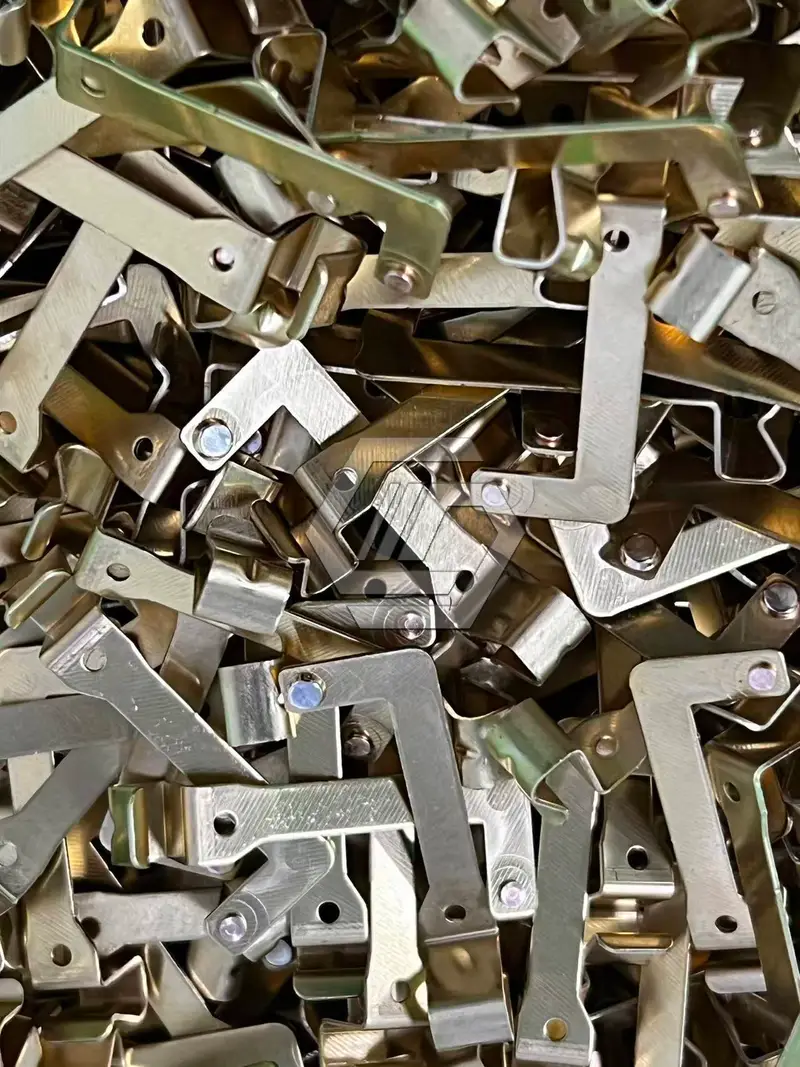
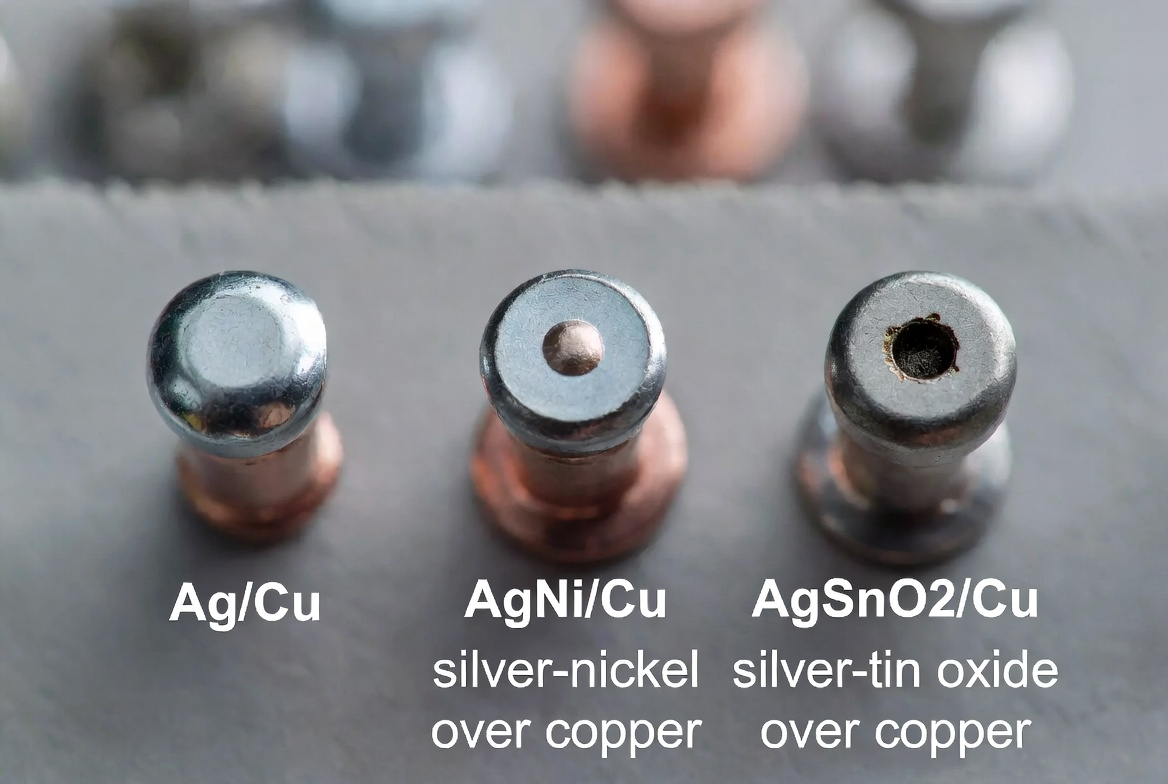
Bimetal Rivets Materials: Ag/Cu, AgNi/Cu, AgSnO2/Cu and More
Bimetal rivets come in various materials, each tailored for specific applications. The head is always a silver alloy for conductivity, while the base is copper for strength. Here's what we've learned from thousands of production runs:
| Material | Head Composition | Base | Conductivity (% IACS) | Hardness (HV) | Arc Erosion (mg/10K cycles) | Best For |
|---|---|---|---|---|---|---|
| Ag/Cu Bimetal Rivets | 99.99% Ag | Copper | 100–105 | 25–30 | 1.5–2.0 | Low-current signal relays |
| AgNi/Cu Bimetal Rivets | 70–90% Ag, 10–30% Ni | Copper | 70–90 | 80–150 | 0.6–0.8 | Medium power switches |
| AgSnO2/Cu Bimetal Rivets | 85–92% Ag, 8–15% SnO2 | Copper | 75–80 | 100–130 | 0.3–0.4 | High inductive loads |
| AgW/Cu Bimetal Rivets | 30–50% Ag, 50–70% W | Copper | 50–60 | 180–300 | 0.2–0.3 | High-voltage breakers |
| AgC/Cu Bimetal Rivets | 90–95% Ag, 5–10% C | Copper | 70–80 | 90–120 | 0.4–0.6 | DC anti-welding |
AgNi/Cu bimetal rivets are our bestseller – the nickel adds anti-welding force (50–120 N) without much conductivity loss. In high-voltage breakers, AgW/Cu bimetal rivets handle 10,000A short-circuits. We recommend AgSnO2/Cu for solar and EV due to superior arc erosion (0.3 mg/10K cycles). For bimetal rivets manufacturer china options, our lines produce 500,000+ pieces daily with 99.9% yield. For comparison with solid rivets, see Silver Contact Materials Ultimate Guide 2026.
Bimetal Rivets Manufacturing Process: Step-by-Step from Chende Factory
Manufacturing bimetal rivets is a precision process. At Chende, we use powder metallurgy for the silver alloy head and cold heading for the copper shank. Here's how it goes:
1. Powder Preparation: High-purity silver and alloy powders (Ni, SnO2) are mixed for uniformity, with particle size controlled to 1-10 microns to avoid hotspots. 2. Sintering: Pressed into heads at 800-900°C under controlled atmosphere to form dense microstructure without voids. 3. Bonding: Silver head is cold welded to copper shank using high-pressure machines (800–1200 N force), ensuring bond strength >100 N. 4. Forming: The composite is stamped into rivets with heads in flat, round, square, or point shapes. 5. Plating: Optional gold or nickel flash for corrosion resistance in humid environments. 6. Inspection: 100% optical check for dimensions, bond integrity, and surface defects, plus random hardness/resistance tests.This process allows us to produce bimetal rivets with tolerances ±0.02mm. Common issues like delamination are avoided by our proprietary welding technique. For bimetal contact rivets production, see Best Silver Contact Manufacturer China 2025.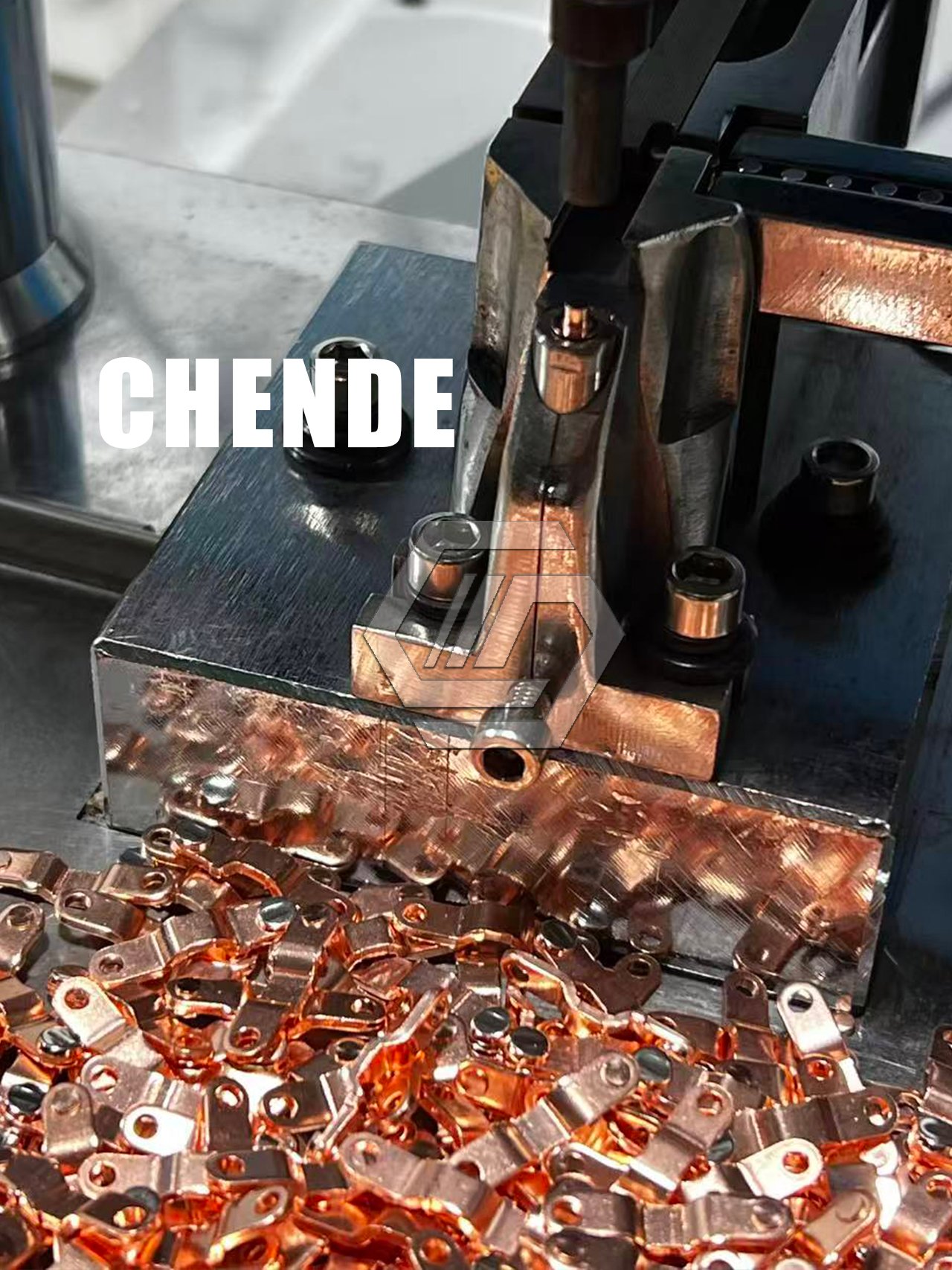
Advantages of Bimetal Rivets: Cost, Durability, and Performance
Bimetal rivets have several advantages over solid rivets:
- Cost Savings: Use 40-60% less silver, reducing material costs by 30-50% while maintaining performance. - High Conductivity: Silver head provides 70-95% IACS, copper shank handles heat dissipation. - Durability: Alloy heads improve arc erosion resistance (0.3-0.8 mg/10K cycles) and anti-welding (50-200 N force). - Mechanical Strength: Copper base prevents deformation under high pressure. - RoHS Compliance: Cadmium-free options like AgNi/Cu meet 2026 regulations. - Versatility: Custom shapes and materials for EV, solar, and industrial use.In our tests, bimetal rivets last 2-5x longer than solid silver in inductive loads. For silver tungsten contacts in breakers, see our Silver Contact Materials Ultimate Guide 2026.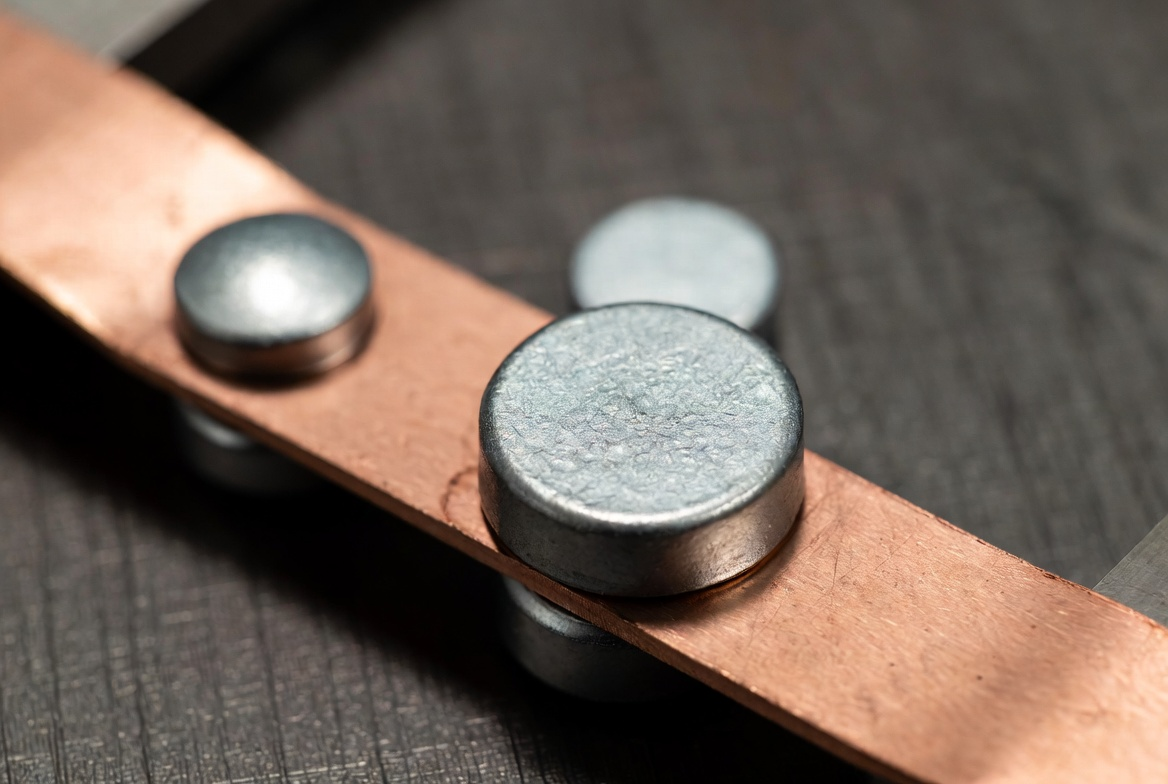
Bimetal Rivets Applications in 2026: From Relays to Circuit Breakers
Bimetal rivets are used in a wide range of applications:
- Relays: AgNi/Cu bimetal rivets for automotive signal relays, with life cycles 100K-500K. - Contactors: AgSnO2/Cu bimetal rivets for industrial motor control, handling 30A inductive loads. - Switches: Ag/Cu bimetal rivets for micro-switches in appliances, providing low resistance. - Circuit Breakers: AgW/Cu bimetal rivets for high-voltage breakers, withstanding 10,000A short-circuits. - EV Systems: AgSnO2 doped bimetal rivets for DC relays in charging stations. - Solar Inverters: AgC/Cu tri-metal bimetal rivets for combiner boxes in 1500V systems.With renewable energy growth, bimetal rivets with AgSnO2 heads are increasingly used in 1500V+ systems. For bimetal rivets for circuit breakers, see Silver Contact Applications Guide.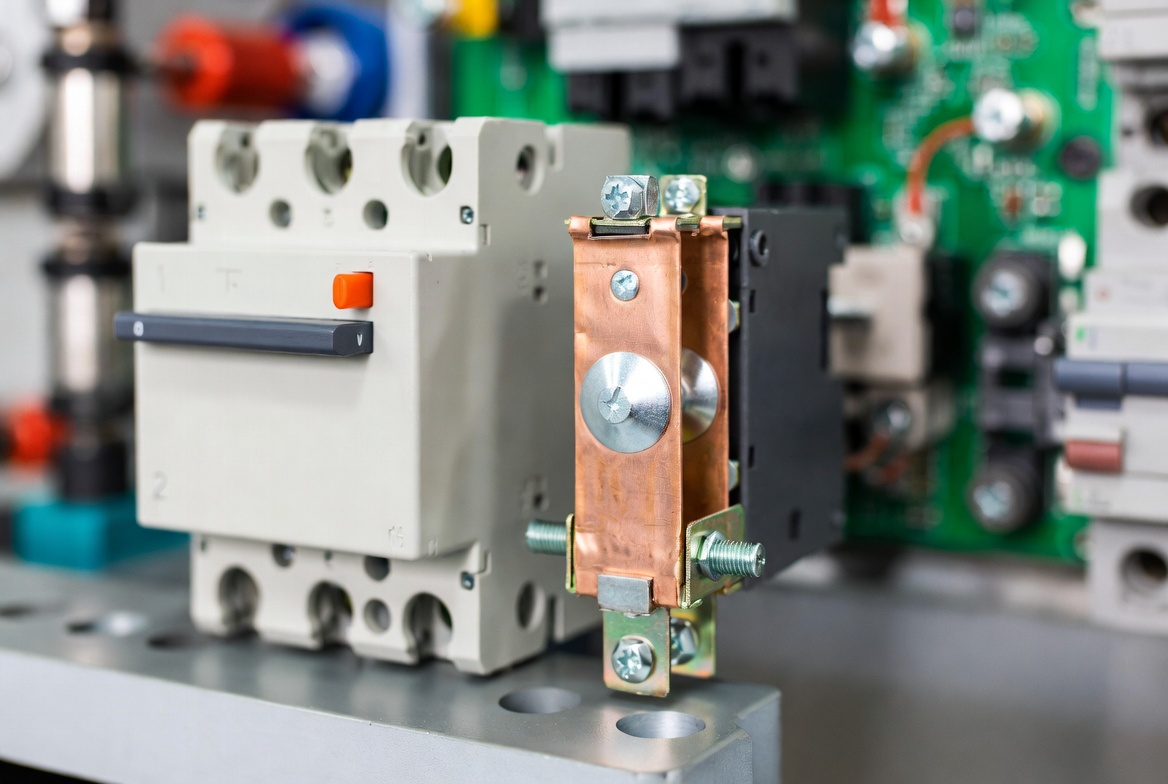
Bimetal Rivets Selection Guide: How to Choose the Right One
Selecting bimetal rivets involves balancing several factors:
| Factor | Consideration | Recommended Material |
|---|---|---|
| Current Rating | Low (5–30A): High conductivity priority | Ag/Cu or AgNi/Cu bimetal rivets |
| Switching Frequency | High: Anti-welding needed | AgSnO2/Cu bimetal rivets |
| Voltage Level | High (72.5kV+): Extreme arc resistance | AgW/Cu bimetal rivets |
| Environment | Humid/Corrosive: Plating required | Gold-flash bimetal rivets |
| Cost | Budget-sensitive: Minimize silver | AgNi/Cu bimetal rivets |
Common Failure Modes in Bimetal Rivets and How to Prevent Them
From our experience, top failure modes in bimetal rivets are:
- Welding under high inrush: Prevent with AgSnO2 heads and proper doping. - Arc erosion: Use AgW for high-voltage bimetal rivets. - Delamination: Ensure strong bonding in manufacturing. - Overheating: Choose copper base with high thermal conductivity. - Corrosion: Add gold plating for humid environments.We test every batch for these. For failure prevention, see Top 12 Silver Contact Failure Modes & Prevention.2026 Trends: Bimetal Rivets in Smart Grid & EV
By 2026, bimetal rivets will see:
- Nano-doping for 20% better arc resistance
- Tri-metal designs (AgSnO2/Ni/Cu) for corrosion in humid environments
- IoT integration for predictive maintenance
- Sustainable materials to meet new RoHS updates
Chende Custom Bimetal Rivets: From Design to Delivery
We start with your drawing, select alloy grade, prototype in 3 days, and mass produce in 7–14 days. Our team has handled 500+ custom projects. For custom bimetal rivets, see The 5 Most Recommended Silver Alloy Contacts for 2025.
Related Articles & Resources
- Bimetal Rivets Materials Comparison 2026 – Chende Factory
- Bimetal Rivets for Electrical Contacts in Relays 2026 – Chende Factory
- Bimetal Rivets Manufacturing Process 2026 – Chende Factory
- Bimetal Rivets in High Voltage Applications 2026 – Chende Factory
- Bimetal Rivets Selection Guide 2026 – Chende Factory
- Silver Contact Applications in Different Industries 2025
- Silver Contact Manufacturer China 2025 | CDSilver Wholesale
- Silver Contact Materials Ultimate Guide
- All Electric Silver Contact Products
- Best Silver Contact Manufacturer China 2025
Authority References
- World Silver Survey 2025
- IEC 60947 Low-Voltage Switchgear Standards
- UL 508 Industrial Control Equipment
- TE Connectivity Relay Design Guide
- Schneider Electric Contactor Specifications
Get Custom Bimetal Rivets Quote & Free Samples Now
MOQ 10K | Same-Day Quote | 3-Day DHL Free Shipping