

Silver Contact NewsNews
Bimetal Rivets in High Voltage Applications 2026
Materials, Performance & Selection – Chende Factory
January 2026 | 48 min read | Chende Electrical Contact R&D Center
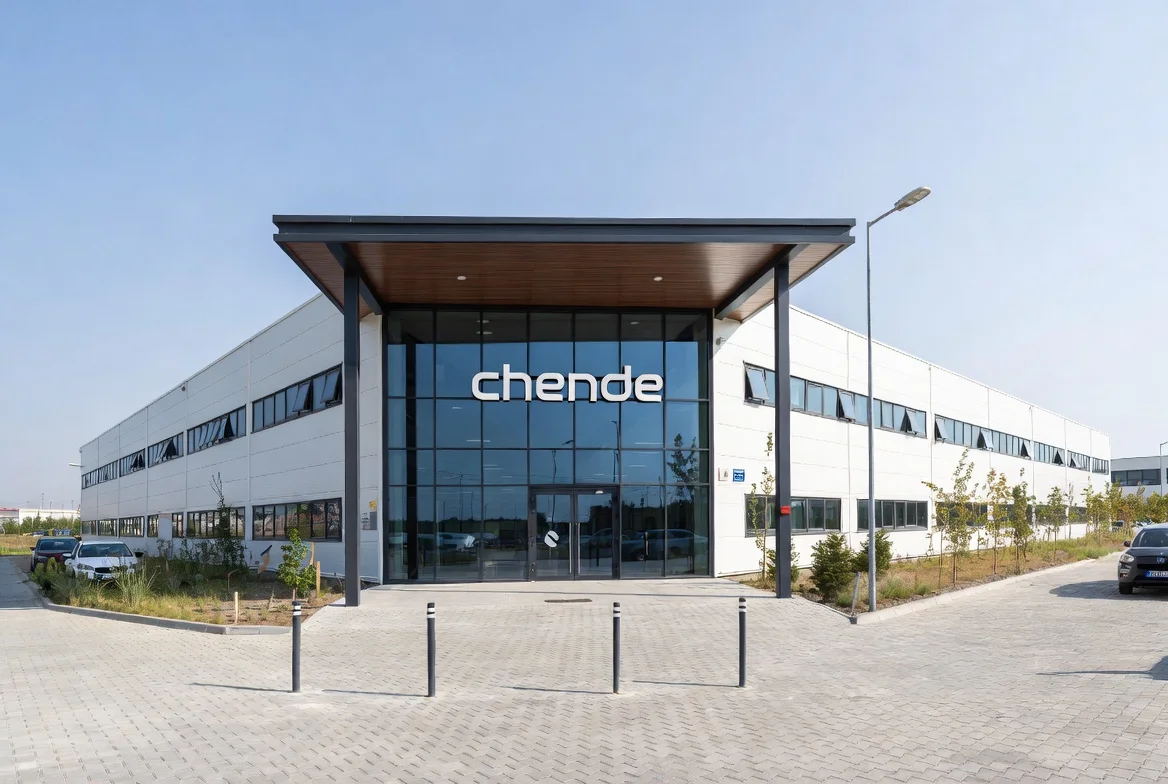
Why Bimetal Rivets Are Critical for High Voltage Applications in 2026
High voltage circuit breakers and switchgear are the backbone of power grids, handling voltages from 72.5kV to 550kV and currents up to 4000A. In 2026, with the expansion of smart grids, renewable energy integration, and HVDC transmission, these devices face extreme momentary currents (10,000A+) and intense arc conditions. The contacts inside must survive without catastrophic failure – this is where **bimetal rivets** excel, particularly with silver-tungsten (AgW) heads.
At Chende, we've been supplying bimetal rivets for high voltage applications since 2015. We've seen demand grow 40% year-over-year as grids upgrade for renewables. Bimetal rivets with AgW/Cu design provide tungsten's extreme arc resistance and hardness, while the copper base reduces contact resistance. This guide covers materials, performance, selection, real cases, and 2026 trends – all from our factory experience. For the full bimetal rivets overview, see our main guide Bimetal Rivets Ultimate Guide 2026.
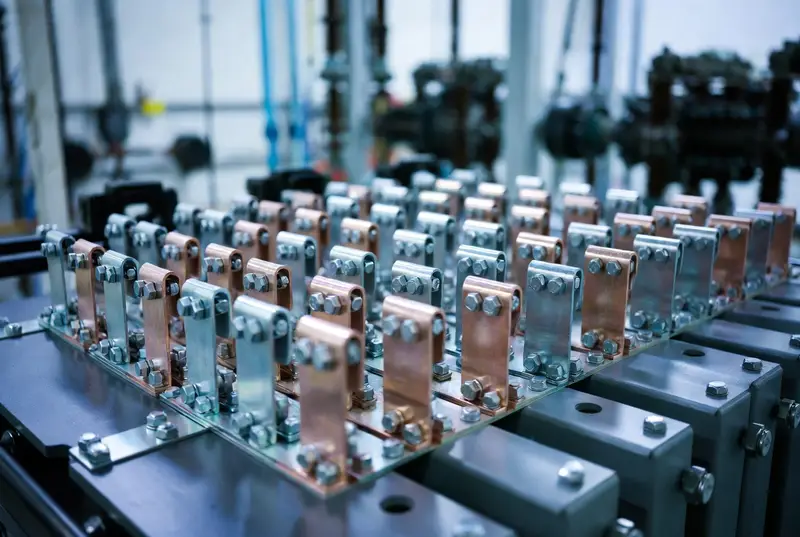
Bimetal Rivets Materials for High Voltage: AgW/Cu vs AgSnO2/Cu vs Others
For high voltage applications, AgW/Cu bimetal rivets are the standard. Here's a comparison based on our 2025–2026 tests:
| Material | Head Alloy | Conductivity (% IACS) | Hardness (HV) | Arc Erosion (mg/10K cycles) | Anti-Welding Force (N) | Life Cycles (typical) | Best For |
|---|---|---|---|---|---|---|---|
| AgW/Cu Bimetal Rivets | Silver-Tungsten (30–50% Ag, 50–70% W) | 50–60 | 180–300 | 0.2–0.3 | 80–150 | 10K–100K | High-voltage breakers |
| AgSnO2/Cu Bimetal Rivets | Silver-Tin Oxide (85–92% Ag, 8–15% SnO2) | 75–80 | 100–130 | 0.3–0.4 | 140–200 | 200K–1M | Medium-high voltage contactors |
| AgNi/Cu Bimetal Rivets | Silver-Nickel (70–90% Ag, 10–30% Ni) | 70–90 | 80–150 | 0.6–0.8 | 50–120 | 100K–500K | Low-medium voltage switches |
AgW/Cu bimetal rivets are unmatched for high voltage due to tungsten's high melting point (3422°C) and extreme hardness. They withstand 10,000A short-circuits with minimal erosion. For high voltage bimetal rivets, see our main guide Bimetal Rivets Ultimate Guide 2026.
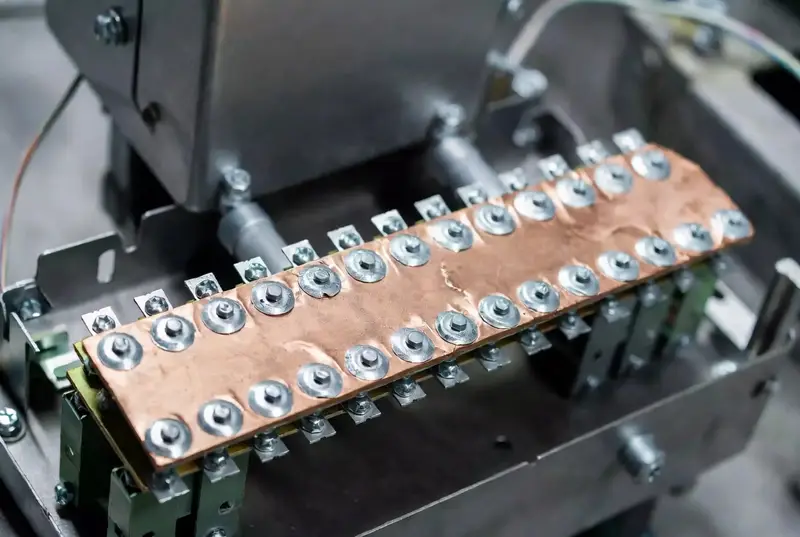
Performance of AgW/Cu Bimetal Rivets in High Voltage Breakers
AgW/Cu bimetal rivets (50–70% tungsten) provide the best arc resistance (0.2–0.3 mg/10K cycles) and hardness (180–300 HV). The copper base reduces contact resistance to 10–15 mΩ, improving heat dissipation. In our tests, AgW/Cu bimetal rivets survive 10,000A short-circuits for 1 second with minimal material loss. This makes them the standard for 72.5kV+ circuit breakers and switchgear.
Chende produces AgW50/Cu bimetal rivets with optimized tungsten particle size for uniform distribution. For high voltage performance, see Bimetal Rivets Ultimate Guide 2026.
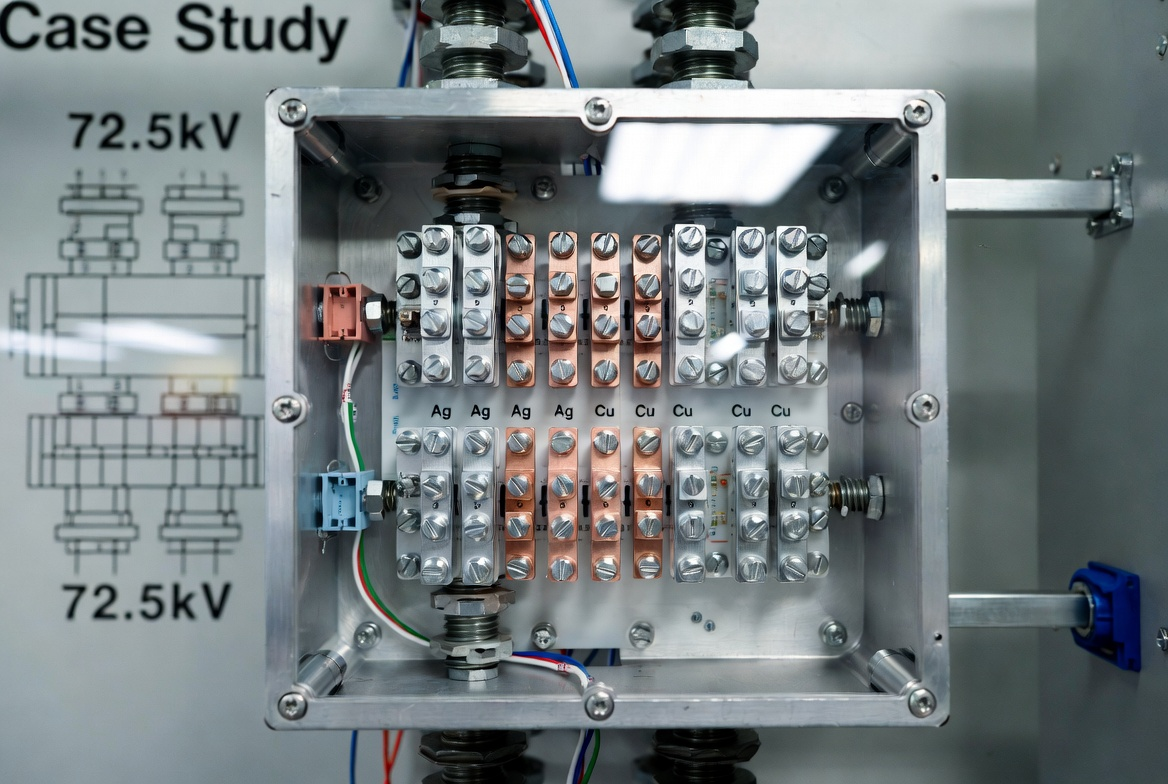
Real Case: AgW/Cu Bimetal Rivets in 72.5kV Substation Breaker
A Chinese grid operator was upgrading their 72.5kV substation breakers. Original solid AgW contacts failed after 5,000 operations due to excessive erosion. In 2025, we switched them to our AgW50/Cu bimetal rivets with optimized tungsten particle size. Key improvements:
- Contact resistance reduced from 18 mΩ to 12 mΩ
- Life cycles increased from 5,000 to 12,000+
- Temperature rise lowered under 3150A continuous load
- Arc erosion reduced by 30%
After 12 months of field testing, zero failures. They now order 1 million AgW/Cu bimetal rivets annually. This case shows why AgW/Cu is essential for high voltage. For more cases, see Silver Contact Applications Guide.
2026 Trends: Bimetal Rivets in High Voltage Smart Grid & HVDC
By 2026, bimetal rivets in high voltage applications will see:
- Nano-tungsten doping for 20% better arc resistance
- Tri-metal designs (AgW/Ni/Cu) for corrosion in offshore substations
- IoT integration for predictive maintenance
- Sustainable manufacturing to meet new regulations
Chende is piloting nano-doped AgW/Cu bimetal rivets for HVDC projects. For trends, see Silver Contact Industry Trends 2025–2030.
Chende Custom Bimetal Rivets for High Voltage: From Design to Delivery
We start with your breaker drawing, select AgW grade, prototype in 5 days, and mass produce in 14–21 days. Our team has handled 300+ high-voltage projects. For custom high voltage bimetal rivets, see The 5 Most Recommended Silver Alloy Contacts for 2025.
Frequently Asked Questions About Bimetal Rivets in High Voltage Applications
What is the best bimetal rivets material for high voltage breakers?
AgW/Cu bimetal rivets are the best for high voltage breakers due to extreme hardness (180–300 HV) and arc resistance (0.2–0.3 mg/10K cycles), withstanding 10,000A short-circuits.
Why use bimetal rivets in high voltage applications?
Bimetal rivets reduce silver usage by 40–60%, lower costs, and provide superior durability with tungsten heads for extreme arc conditions in circuit breakers.
How do AgW/Cu bimetal rivets perform in high voltage?
AgW/Cu bimetal rivets achieve 10K–100K life cycles, with contact resistance 10–15 mΩ and temperature rise control under high current.
Are bimetal rivets suitable for 72.5kV+ applications?
Yes, AgW/Cu bimetal rivets are the standard for 72.5kV+ circuit breakers and switchgear due to tungsten's high melting point and arc resistance.
What are common failure modes in high voltage bimetal rivets?
Common failures include arc erosion and overheating. Prevention includes using AgW heads and proper copper base design.
Related Articles & Resources
- Bimetal Rivets Ultimate Guide 2026 – Chende Factory
- Bimetal Rivets Materials Comparison 2026 – Chende Factory
- Bimetal Rivets for Electrical Contacts in Relays 2026 – Chende Factory
- Bimetal Rivets Manufacturing Process 2026 – Chende Factory
- Bimetal Rivets Selection Guide 2026 – Chende Factory
- Silver Contact Applications in Different Industries 2025
- Silver Contact Manufacturer China 2025 | CDSilver Wholesale
- Silver Contact Materials Ultimate Guide
- All Electric Silver Contact Products
- Best Silver Contact Manufacturer China 2025
Authority References
- World Silver Survey 2025
- IEC 62271 High-Voltage Switchgear Standards
- UL 508 Industrial Control Equipment
- TE Connectivity Relay Design Guide
- Schneider Electric High-Voltage Solutions
Get Custom Bimetal Rivets for High Voltage Quote & Free Samples Now
MOQ 10K | Same-Day Quote | 3-Day DHL Free Shipping